Preview · EnglishPortuguese

Flavor or Bulk Cacao: Options For The Amazon

Bioeconomy

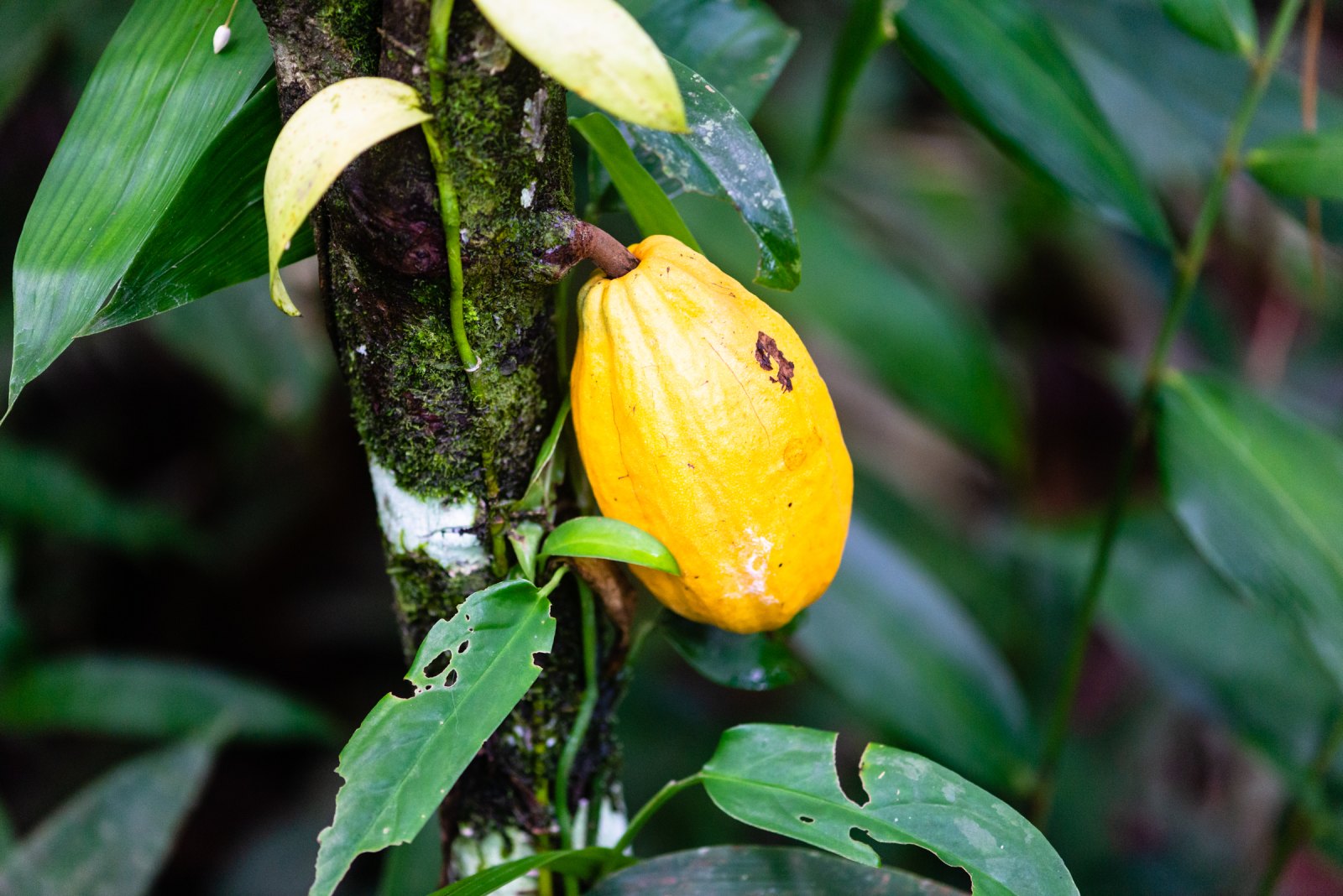
Despite being native to the Amazon, the origin of cacao (Theobroma cacao) is still unknown in global consumer markets and even in national ones. Cacao conquered Europe in the mid-16th century, from varieties planted in Central America and the Caribbean. More recently, cacao has been associated with African countries, which are responsible for approximately two-thirds of its production.1 In Brazil, the product only gained momentum in the second half of the 18th century, with plantations in Bahia.

Cacao production in the Brazilian Amazon was not very expressive until the beginning of this century. In the 1990s, Pará participated with only 10% of the national cacao production.3 This situation changed strongly and, in 2019, Pará became the largest producer of the fruit, accounting for approximately half of the national cacao.

The cacao boom in the Brazilian Amazon is a result not only of the increase in production, but also of the good quality of the fruit. In 2019, cacao produced in the Amazon contributed to Brazil being recognized by the International Cocoa Organization (ICCO) as a producer of flavor cacao, which brings opportunities and challenges.

Other Studies

October 2, 2025

Biodiversity-based biotechnology in Brazil: regulatory and institutional challenges

Bioeconomy

Brazil holds the greatest biodiversity on the planet, and in the Amazon this natural wealth is even more strategic. However, turning this potential into high value-added innovation remains a challenge. A new study by CPI/PUC-Rio and Amazônia 2030, authored by Cristina Leme Lopes (Senior Research Manager, CPI/PUC-Rio), Ana Flávia Corleto (Researcher, CPI/PUC-Rio), and

November 11, 2024

The bioeconomy in the Lula administration: regulatory and institutional advances

Bioeconomy

The bioeconomy sector has emerged as a new production paradigm, gaining significant attention both in Brazil and globally. It is also a central focus of a forward-looking G20 initiative introduced by the third Lula administration. While Brazil has been working for years to better regulate the bioeconomy and develop a broad legal framework,

January 31, 2022

Amazon: food territories

Bioeconomy

Companies in the Brazilian Amazon already export 64 forest-compatible products, with an average annual revenue of nearly US$300 million.1 This figure seems impressive but represents only 0.17% of the corresponding global markets. In the more specific case of products linked to food chains, the participation of companies in the Amazon is also modest,

Get Amazon 2030 studies by e-mail

An e-mail alert whenever a new study is published. No spam.