Preview · EnglishPortuguese

Amazon: Food Territories

Bioeconomy

Companies in the Brazilian Amazon already export 64 forest-compatible products, with an average annual revenue of nearly US$300 million.1 This figure seems impressive but represents only 0.17% of the corresponding global markets. In the more specific case of products linked to food chains, the participation of companies in the Amazon is also modest, including at the domestic level, as can be seen from the scarce presence of Amazonian products and producers on platforms such as Mercado Livre – Produtos da Amazônia, Amazônia Ativa/Americanas and Caras do Brasil/Pão de Açúcar.

The aim of the Amazon: Food Territories study is to assess how value chains linked to food can serve as leverage to promote regional development. And what conditions are necessary for the assets of the extraordinary Amazonian biodiversity – with its vast application potential in these chains – can be transformed into competitive advantages that strengthen the regional economy.

The study was carried out based on interviews with 45 representatives from 38 enterprises and institutions that operate in food chains in the Amazon. The selection of interviewees prioritized companies with some degree of success and some experience in the area of sustainability or social entrepreneurship, as determined by the authors.

Other Studies

October 2, 2025

Biodiversity-based biotechnology in Brazil: regulatory and institutional challenges

Bioeconomy

Brazil holds the greatest biodiversity on the planet, and in the Amazon this natural wealth is even more strategic. However, turning this potential into high value-added innovation remains a challenge. A new study by CPI/PUC-Rio and Amazônia 2030, authored by Cristina Leme Lopes (Senior Research Manager, CPI/PUC-Rio), Ana Flávia Corleto (Researcher, CPI/PUC-Rio), and

November 11, 2024

The bioeconomy in the Lula administration: regulatory and institutional advances

Bioeconomy

The bioeconomy sector has emerged as a new production paradigm, gaining significant attention both in Brazil and globally. It is also a central focus of a forward-looking G20 initiative introduced by the third Lula administration. While Brazil has been working for years to better regulate the bioeconomy and develop a broad legal framework,

January 31, 2022

Cassava: between subsistence and business

Bioeconomy

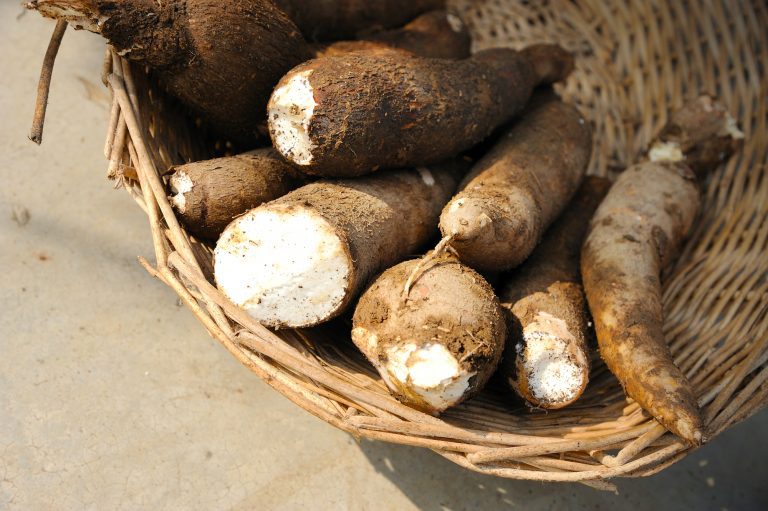
Cassava (Manihot esculenta crantz) is a food plant domesticated by indigenous peoples in the Amazon for at least 9,000 years. In the Amazon, there are at least 140 identified native varieties, in addition to several agronomically developed cultivars. Rich in carbohydrates, cassava is one of the most important plants for food in developing

Get Amazon 2030 studies by e-mail

An e-mail alert whenever a new study is published. No spam.