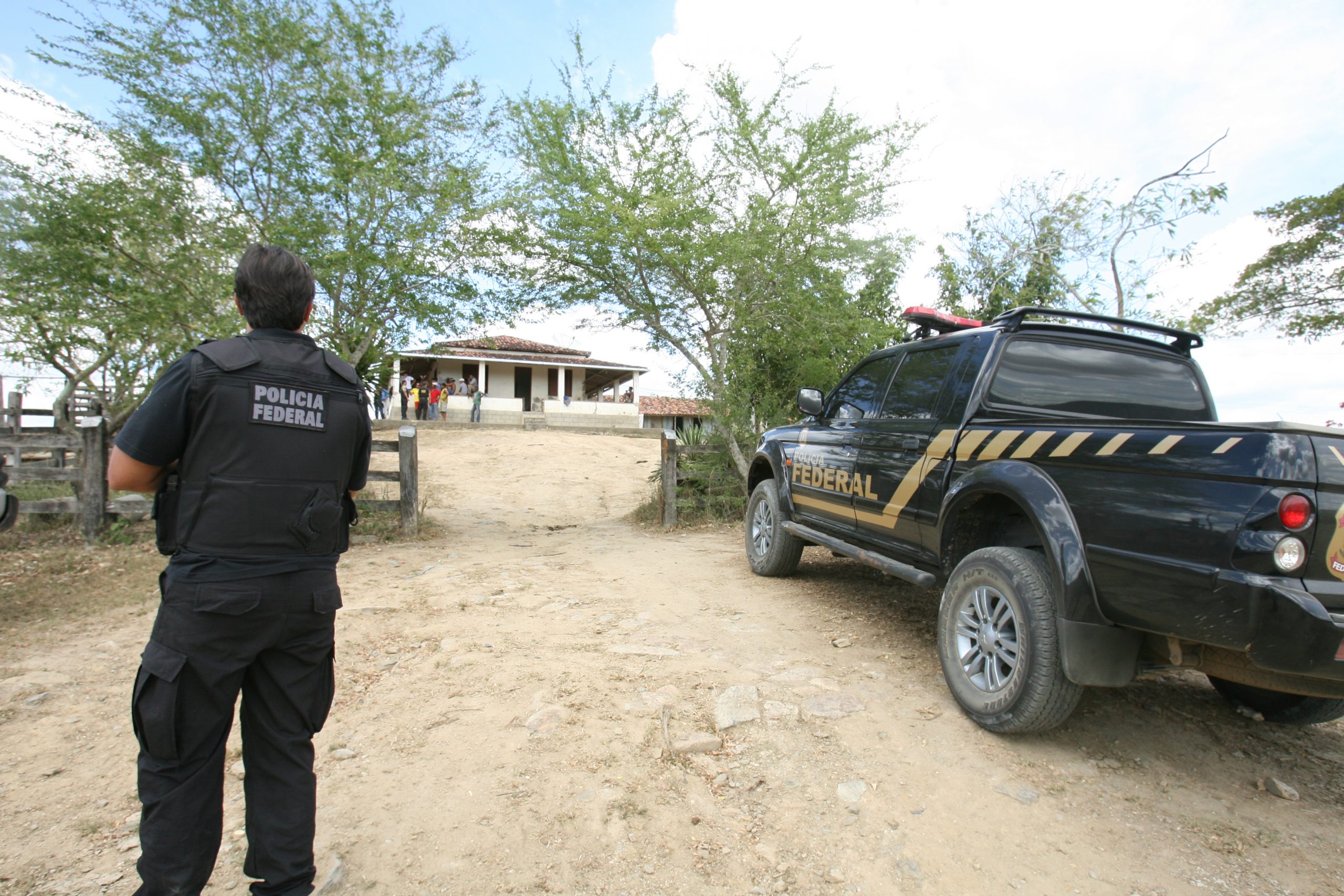
This report analyzes the evolution of violence in the Legal Amazon over the last 20 years, focusing on the relationship between violent events or homicides and illegal activities related to environmental crimes. The region, which had relatively low levels of violence until the late 1990s, has become one of the most violent in the country in recent years. Putting it into perspective, if it were a country, in 1999 the Amazon would occupy the 26th position among the highest homicide rates in the world (according to the Health Metrics and Evaluation ranking). In 2017, the region would occupy the 4th position in this same ranking, behind only El Salvador, Venezuela, and Honduras.
Three illegal activities related to environmental crimes stand out as factors that help to explain the expressive growth of violence in the region: the irregular occupation of land and the illegal exploitation of timber and gold. These three illegal activities guide most of the discussion in this report. The report discusses how changes in the regulation of these three markets, and in the monitoring and punishment mechanisms available to the State, affected the incentives for illegality and, consequently, the prevalence of violence in the region.
From an analytical point of view, the perspective adopted suggests that these different types of illegal exploitation of natural resources are connected by common issues, which condition both the presence of illegal activities and the violence associated with them: definition of ownership rights, monitoring capacity and incentives (both public and private), and enforcement capacity (institutional and political). On the one hand, the occurrence of valuable natural resources in places that can be exploited for profit stimulates economic activity, which can bring about violence if this exploitation takes place on the fringes of legality (if ownership rights—public or private—are not well defined or guaranteed). On the other hand, a strong and present State is essential so that areas with valuable natural resources are monitored, public lands are protected, and private property rights are guaranteed, thus preventing the occurrence of illegal activities and the violence associated with them. The combination of the e factors determines the State’s ability to enforce regulation in a given area and, consequently, the occurrence of illegality and violence. In other words, strict regulations in environmental terms, in the presence of a strong and active state, can be very effective in preserving resources and minimizing the occurrence of illegal activities. But stringent regulations, combined with an absent state and low capacity, can generate illegal competition for natural resources, bringing with it the perverse consequences typically associated with illegality.