Categoria: Studies

  • Agriculture in the Legal Amazon: Productivity Conditions, Climate Risks and Proposals for Better Production in Already Cleared Areas

    Agriculture in the Legal Amazon: Productivity Conditions, Climate Risks and Proposals for Better Production in Already Cleared Areas


    Download here

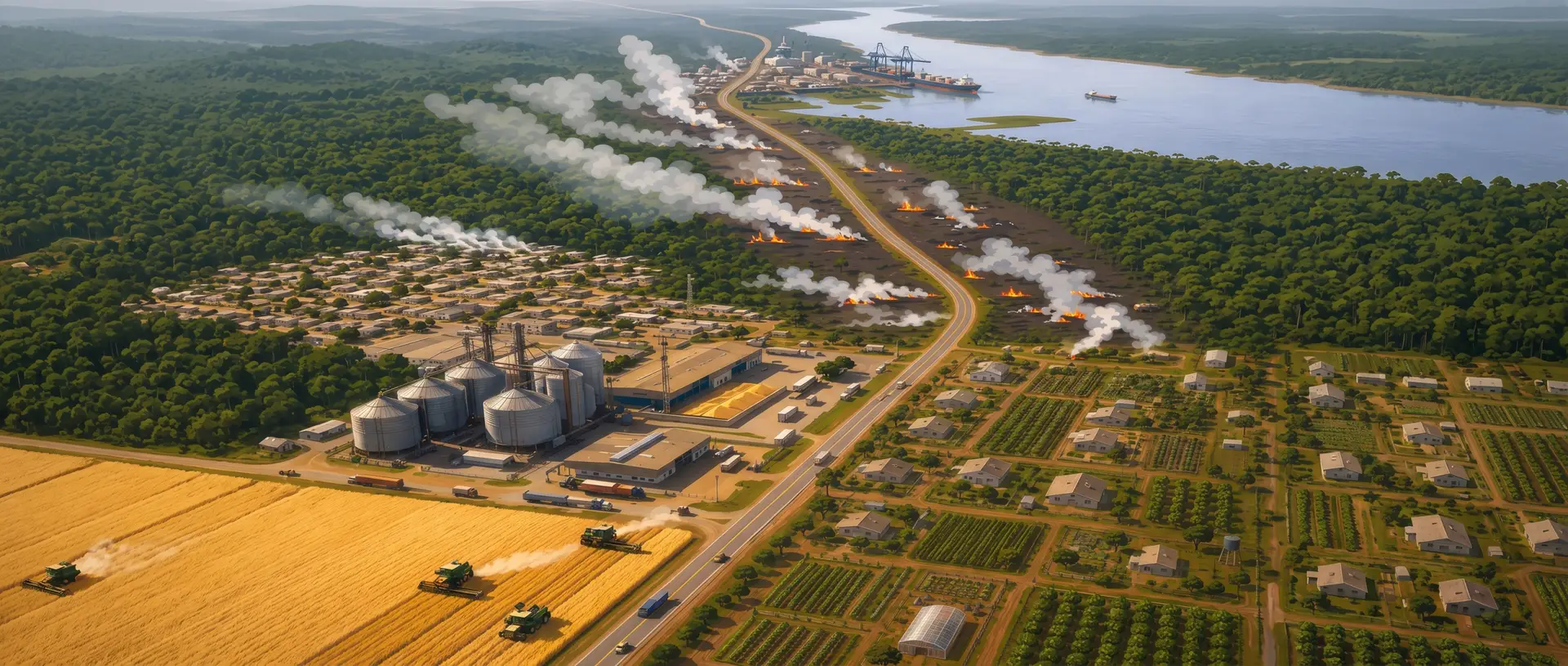
    Brazil’s Legal Amazon has the potential to increase agricultural and livestock production without clearing additional forest. That is the main finding of a new study, “Agriculture in the Legal Amazon: Productivity, Climate Risks and Proposals for Producing More on Land Already Cleared”, by Paulo Barreto, Ritaumaria Pereira and Gabriel Salles Barreto, published by Amazônia 2030.

    The study finds that the region’s main agricultural challenge is not a shortage of land, but low productivity across much of the land that has already been cleared. At the same time, farmers are facing increasingly difficult conditions, including more frequent droughts, wildfires and other extreme weather events, as well as stricter environmental requirements for access to agricultural credit and international markets.

    According to the authors, these challenges can be addressed without expanding the agricultural frontier. Experiences from across the Amazon show that when farmers have access to research, technical assistance, credit, infrastructure, storage and markets, they can achieve productivity levels comparable to those seen in Brazil’s most productive agricultural regions. Grain production in Mato Grosso and gains in cassava productivity in Rondônia are examples of this potential.

    Yet most farmers in the Amazon still face major barriers to increasing productivity. Only 10% of farms in Brazil’s Northern region receive technical assistance, while just 9% of family farmers have access to agricultural credit. Long distances to consumer markets, inadequate logistics and difficulties accessing public procurement programs also constrain regional production.

    The study also highlights the growing impact of climate change on agriculture in the Amazon. Between 2021 and 2024, agricultural losses across the Legal Amazon averaged nearly R$6 billion (about US$1.1 billion) a year. Prolonged droughts reduce yields and disrupt river transportation; floods hamper the transport and sale of agricultural products; and wildfires damage crops and pastures while affecting public health. Deforestation also reduces moisture recycling, lowers rainfall and increases climate risks for agriculture itself.

    Environmental requirements are also playing an increasingly important role in the sector’s competitiveness. Restrictions on agricultural credit for properties with environmental violations, along with new international traceability requirements, are making it increasingly important to reconcile higher productivity with forest conservation. At the same time, studies indicate that much of the production growth expected in the coming years could come from land that has already been cleared, particularly through the recovery of degraded pastures.

    Five recommendations for more productive and resilient agriculture

    Based on the evidence, the study proposes five priorities for public policy and investment in the Legal Amazon:

    establish stable funding for agricultural research, technical assistance and climate adaptation;
    strengthen smallholder resilience through public procurement programs, technical assistance and local infrastructure;
    prioritize infrastructure investments that lower production costs without encouraging further deforestation;
    expand research on adapting Amazonian agriculture to climate risks; and
    recognize intact forests as essential infrastructure for maintaining rainfall patterns, reducing climate risks and sustaining agricultural production.

    The authors argue that strengthening agriculture in the Amazon depends less on creating new programs than on better coordination of policies and resources that already exist. Credit, research, technical assistance, infrastructure, public procurement and forest conservation can deliver stronger results when implemented together.

    This integrated approach could increase productivity, raise farmers’ incomes, strengthen food security and reduce pressure to clear additional forest in the Amazon.

    Read the full paper here.

  • Social Progress Index – Brazil – 2025

    Social Progress Index – Brazil – 2025


    Download here

    The second edition of the Social Progress Index (SPI) assessed all 5,570 Brazilian municipalities using 57 social and environmental indicators. The report shows that, despite gradual progress, the challenges of ensuring quality of life for Brazil’s population remain significant and unevenly distributed across the country.

    The SPI also evaluates the average performance of Brazil’s states. São Paulo, Santa Catarina, and Paraná ranked highest, while Pará, Maranhão, and Amapá recorded the lowest scores, highlighting the historical and structural inequalities that persist in the Legal Amazon region.

    Overall, Brazil’s state capitals performed relatively better in the SPI, as represented by the blue shades on the map, with the exceptions of Maceió (AL), Porto Velho (RO), and Macapá (AP), which posted lower scores. Among the top-performing capitals were Curitiba, Campo Grande, Brasília, São Paulo, and Belo Horizonte.

    The 2025 national SPI score was 61.96 on a scale from 0 to 100. The highest-performing dimension was Basic Human Needs, with an average score of 74.79, followed by Foundations of Wellbeing at 65.02. The Opportunities dimension—which measures social inclusion, access to higher education, and respect for rights—recorded the lowest performance, with a score of 46.07.

    Among the index components, Shelter achieved the highest national average (87.74), while Personal Rights (32.41), Access to Advanced Education (47.39), and Social Inclusion (47.21) ranked among the lowest. The weakest indicators are concentrated in Brazil’s North and Northeast regions, with particularly poor performance in Environmental Quality across the Legal Amazon, largely driven by deforestation and greenhouse gas emissions. Interestingly, the report also reveals that more economically developed regions, such as the South and Southeast, face challenges in Health and Wellness, including high rates of obesity, suicide, and consumption of ultra-processed foods.

    On the SPI Brazil website, users can explore detailed profiles of every municipality, identifying areas of strength and opportunities for improvement. The platform also allows comparisons among municipalities with similar GDP per capita, land area, and population size, providing a powerful tool for public managers, social investors, and citizens to better understand local development dynamics and design more effective actions to promote social and environmental progress.

    Visit the SPI Brazil website to explore the profile of every Brazilian municipality: ipsbrasil.org.br


    What SPI Brazil 2025 Measures

    Social Progress was defined by a group of academic experts and synthesized by the Social Progress Imperative (SPI) as “the capacity of a society to meet the basic human needs of its citizens, establish the building blocks that allow citizens and communities to enhance and sustain the quality of their lives, and create the conditions for all individuals to reach their full potential.”

    Based on this concept, SPI Brazil 2025 is built upon 57 indicators organized into three dimensions: Basic Human Needs, Foundations of Wellbeing, and Opportunities.

    Developed through a partnership among Imazon, Fundação Avina, the Amazônia 2030 initiative, Anattá, the Amazon Entrepreneurship Center (CEA), and the Social Progress Imperative, SPI Brazil is based exclusively on public data and is updated annually. The tool enables the monitoring of trends and the evaluation of public policy effectiveness in near real time.

    The construction of SPI Brazil 2025 follows a rigorous methodology aligned with the international SPI framework. The selection of the 57 indicators is based on criteria such as social or environmental relevance, outcome-oriented measurement, use of reliable public data, regular updates, and availability for at least 95% of Brazilian municipalities. Each indicator undergoes detailed statistical modeling, including normalization, quality control, benchmark definition, and weighting through Principal Component Analysis (PCA). The final result is an index ranging from zero (worst scenario) to 100 (best scenario), reflecting the simple average of performance across the three dimensions of social progress.

    Data sources include established databases such as DataSUS, CadÚnico, and Anatel, as well as initiatives such as MapBiomas and the Institute for Health Policy Studies.

    Unlike economic indicators such as GDP (Gross Domestic Product) and the HDI (Human Development Index), the SPI directly measures social and environmental outcomes, serving as a compass for policymakers, social investors, and civil society organizations.

    “The SPI makes it possible to visualize inequalities that cannot be explained by economic indicators alone. Municipalities with similar GDP levels often show very different performances in the index, reinforcing the importance of integrated public policies focused on social wellbeing. With the SPI, it is possible to identify where public policies are working and where urgent intervention is needed. It transforms complex data into a clear and comparable picture across municipalities and states,” says Melissa Wilm, Coordinator of SPI Brazil.

    The 2025 edition includes an important update to its dataset, incorporating new indicators that enrich territorial diagnostics: Consumption of Ultra-Processed Foods, Response to Social Security Benefits, Response to Family Court Cases, Family Vulnerability Index, and Families Experiencing Homelessness.


    Key Results

    The development of SPI Brazil 2025 received technical and institutional support from a broad network of organizations committed to sustainable development in Brazil. Contributors to this edition include the Amazon Entrepreneurship Center (CEA), the National Council of Justice (CNJ), Eneva, independent experts, Fundação Itaú, Fundação Roberto Marinho, Hydro, the Amazon Institute of People and the Environment (Imazon), Instituto Floresta Viva, Instituto Igarapé, Instituto Itaúsa, the Institute for Climate and Society (iCS), MapBiomas Brasil, the Federal Public Prosecutor’s Office (MPF), Not Another Boring Company, O Mundo que Queremos, Projeto Saúde e Alegria, the Social Progress Imperative, the University of São Paulo (USP), and Vale.

    Read the full paper here.

  • The Leading Role of Brazilian Forests in the Global Climate Agenda – 2nd Edition

    The Leading Role of Brazilian Forests in the Global Climate Agenda – 2nd Edition


    Download here

    Brazilian agribusiness, which is already responsible for conserving vast areas through Legal Reserves, could become one of the main drivers of forest expansion in the country over the coming decades. This is one of the key conclusions of the second edition of the study Brazilian Forests at the Center of the Global Climate Agenda, which provides a comprehensive overview of forest conservation, restoration, and planted forests in Brazil, along with recommendations on financing and public policies. The document, which will be presented this year at all three United Nations Conferences of the Parties (COPs) — Climate, Biodiversity, and Desertification — argues that agricultural production, conservation, and forest expansion are not competing agendas, but complementary ones.

    According to the study, a significant portion of Brazil’s environmental conservation already takes place within rural properties through Legal Reserves and Permanent Preservation Areas (APPs). In addition, there is a substantial amount of privately owned land with limited suitability for agriculture or livestock production that could be allocated to forest restoration. At the same time, demand for planted forests to supply bioenergy production continues to grow.

    The second edition of the publication was developed by a coalition of institutions including Instituto Arapyaú, Instituto Itaúsa, Agroicone, the Brazilian Tree Industry (Ibá), the Brazil Climate, Forests and Agriculture Coalition, the Climate and Society Institute (iCS), Imazon, Amazônia 2030, CEBDS, and Uma Concertação pela Amazônia. One of its objectives is to influence the UNFCCC (United Nations Framework Convention on Climate Change) to recognize forests as central to carbon removal and storage efforts.

    The new edition has received formal support from the COP30 Presidency. The material also served as an input for the organizations’ technical contributions to the Roadmap to Halt and Reverse Deforestation and Forest Degradation by 2030, proposed by the Brazilian COP30 Presidency.

    The first edition of the report, launched during the conference in Belém, showed that Brazil could reverse the deforestation curve and expand its forests by 2035, increasing forest cover from 517 million to 525 million hectares within ten years. This gain of 8 million hectares — equivalent to twice the size of Switzerland — would directly increase carbon stocks and strengthen the country’s strategic role in global climate stability.

    By offering a broad perspective on Brazil’s forest landscapes, the publication aims to identify challenges and outline pathways for reversing the historical loss of native vegetation and expanding forest cover once again. The analysis is structured around three pillars — conservation, forest restoration, and silviculture — and applies the internationally recognized concept of a “forest continuum,” which captures different forms of forest use and management across landscapes. Under this framework, preserved forests, sustainable forest management, restoration systems, and planted forests with native and exotic species coexist as part of a broader landscape strategy. According to the study, all these approaches can generate environmental and economic benefits, whether through biodiversity and water resource conservation, carbon sequestration, or supplying productive sectors.

    In this edition, the authors expanded the scope of the analysis to include all of Brazil’s terrestrial biomes. In addition to the Amazon and Atlantic Forest, the study covers the Cerrado, Caatinga, Pantanal, Pampa, and Coastal Zone, highlighting the importance of these ecosystems for carbon removal, soil protection, water cycle regulation, and biodiversity conservation.

    The report also emphasizes the strategic role of Indigenous Peoples and traditional communities in conserving Brazil’s forests. According to Imazon data, Indigenous Lands accounted for only 3% of all Amazon deforestation between 2012 and 2024, the lowest rate among all monitored territorial categories. The authors argue that strengthening territorial governance and expanding recognition of these populations as forest stewards will be essential for advancing conservation, restoration, and sustainable production.

    Agribusiness and the Forest Transition

    The connection between agribusiness and the forest transition operates through multiple pathways. A significant share of Brazil’s environmental conservation already occurs within private rural properties through Legal Reserves and Permanent Preservation Areas established under the Forest Code. The report reinforces that Brazil has already demonstrated its ability to reduce deforestation without harming agricultural production. Between 2004 and 2012, Amazon deforestation fell by 80%, while agricultural output in the region nearly doubled. During the same period, more than 55 million hectares were protected through conservation units.

    Forests are also essential for maintaining the climatic conditions that sustain Brazilian agriculture, particularly through the so-called “flying rivers” — atmospheric moisture flows that transport rainfall from the Amazon to the country’s Center-South region. The publication cites an international study published in 2026 in Communications Earth & Environment (Nature Portfolio), according to which the Brazilian Legal Amazon generates rainfall worth approximately US$20 billion per year for agriculture.

    Another major opportunity lies in forest restoration. According to the report, there is a substantial amount of privately owned land with limited suitability for agriculture or livestock production — such as highly degraded or steeply sloped areas — that could be dedicated to forest recovery. In addition to generating climate and biodiversity benefits, restoration helps landowners comply with environmental obligations under the Forest Code while creating opportunities for carbon credit generation and new income streams. By 2050, according to projections by the World Resources Institute (WRI), restoration could generate US$141 billion in Brazil through carbon markets, food production, biomaterials, and bioenergy.

    A preliminary assessment conducted by Agroicone in partnership with Floraz — a business-led initiative created to strengthen the forest restoration sector in Brazil — identified millions of hectares with restoration potential on agribusiness-linked lands, particularly degraded pastures. The study combined public and private geospatial datasets to identify areas suitable for restoration with native species, considering criteria such as low agricultural suitability, absence of recent deforestation, property size, and proximity to timber industry hubs. Under a conservative scenario, approximately 2.6 million hectares suitable for restoration were identified across roughly 8,000 rural properties.

    The expansion of corn ethanol production in Brazil has also increased, in some regions, the demand for forest biomass — especially eucalyptus and pine — used to generate thermal energy in processing plants, strengthening the connection between silviculture, bioenergy, and decarbonization strategies. During the 2024/2025 harvest season, corn ethanol accounted for 22% of total ethanol production in Brazil, reaching 8.2 million cubic meters. The Mato Grosso Institute of Agricultural Economics (Imea) projects this figure could reach 22.55 million cubic meters by 2034/2035.

    Adaptation: Forests Beyond Carbon

    The global forest agenda is beginning to shift its focus. While recent years have centered on carbon sequestration and the generation of tradable carbon credits, the physical impacts of climate change are increasingly placing adaptation at the center of economic discussions.

    The authors highlight that prolonged droughts, forest fires, extreme weather events, and water crises are already directly affecting productive sectors, infrastructure, and public finances. As a result, forests are increasingly viewed as a form of “natural infrastructure” capable of reducing climate risks, regulating rainfall patterns, protecting soils, and providing stability for agricultural, energy, and logistics systems.

    According to the report, the economic value of forests extends far beyond carbon and is increasingly linked to their capacity to ensure resilience and economic continuity in a world facing growing climate instability.

    However, the authors warn that financing for the forest agenda remains far below global needs. Despite growing recognition of forests’ strategic importance for climate stability, water security, and biodiversity, private capital continues to concentrate in markets perceived as less risky, leaving forest projects chronically underfunded. The publication argues that increasing financial flows alone will not be sufficient without structural changes in how the forest agenda is financed.

    The report advocates for blended finance models that combine public and private resources, as well as de-risking mechanisms, financial guarantees, and project-finance-inspired structures to make forest investments more attractive. A particularly important trend is the growing attention given to funds directed toward Indigenous Peoples and local communities, which are increasingly recognized as essential actors in achieving long-term environmental outcomes.

    The report concludes that the future of forest finance will depend on the intelligent combination of these instruments, rather than reliance on any single solution.

    Read the full paper here.
  • The Leading Role of Brazilian Forests in the Global Climate Agenda

    The Leading Role of Brazilian Forests in the Global Climate Agenda


    Download here

    Brazil has the most favorable conditions on the planet to lead the global climate agenda through forest conservation, restoration, and forestry. This is the main conclusion of the study The Leadership of Brazilian Forests in the Global Climate Agenda, which presents consolidated data on the strategic role of Brazil’s forests in addressing the climate crisis.

    According to the report, forests are among the most scalable and cost-effective climate solutions currently available, absorbing approximately one-third of annual global greenhouse gas emissions generated by human activities. Without conserved, sustainably managed, and restored forests, achieving the goals of the Paris Agreement becomes impossible.

    Brazil occupies a central position in this context. The country is home to the world’s largest continuous area of tropical forests and holds the greatest global potential for forest restoration. Today, Brazil has approximately 500 million hectares of native forests, equivalent to nearly 60% of its national territory.

    Two Scenarios for 2035

    The study projects two scenarios for 2035. Under the baseline scenario, assuming average deforestation levels continue, the country would experience an estimated 1% loss in the carbon stock of its forest ecosystems.

    Under the potential scenario, with illegal deforestation reduced to near zero by 2030, expanded forest restoration, and growth in commercial forestry, Brazil could achieve a net gain of approximately 1% in forest carbon stocks, reversing the historical trend of forest loss.

    This progress could be achieved without competing with food production. The study indicates that vast areas of underutilized deforested land are available to support agricultural expansion while simultaneously enabling forest restoration and commercial tree planting.

    Forest Code and Market-Based Instruments

    Brazil already has a robust legal framework for forest protection, particularly through the Forest Code, which safeguards Permanent Preservation Areas (APPs) and Legal Reserves on rural properties. It is estimated that 215 million hectares are currently conserved or reforested within agricultural lands dedicated to food production.

    The report also highlights promising financial mechanisms to scale up conservation efforts, such as the Tropical Forests Forever Facility (TFFF) and Jurisdictional REDD+. Alongside these instruments, command-and-control policies combined with territorial planning have already demonstrated their effectiveness. Between 2004 and 2012, for example, deforestation in the Amazon was reduced by 80%.

    Expanding Forest Restoration and Commercial Forestry

    Forest restoration using native species is emerging as a new economic frontier, attracting private investment and potentially reaching millions of hectares by 2035.

    Meanwhile, commercial forestry based on exotic species—considered among the most competitive in the world—is expected to expand from 4 million hectares to as much as 6.2 million hectares over the next decade, primarily on previously degraded lands.

    Beyond carbon sequestration, Brazil’s forests play a crucial role in regulating rainfall patterns, ensuring water security, supporting agricultural production, and conserving biodiversity.

    According to the authors, consolidating Brazil’s leadership will require a combination of effective protection against illegal deforestation, expanded restoration efforts, strengthened bioeconomy initiatives, and the creation of financial mechanisms capable of transforming natural capital into a strategic asset for sustainable development.

    Read the full paper here.

  • Combating Deforestation Reduces Crime in the Amazon

    Combating Deforestation Reduces Crime in the Amazon


    Download here

    Fighting deforestation not only protects the forest—it also saves lives. That is the conclusion of a new study by the Amazônia 2030 project, “Combating deforestation reduces crime in the Amazon.” The research shows that strengthening environmental enforcement—especially through the DETER satellite monitoring system, implemented in 2006—reduced homicides in the region by about 15%, equivalent to 1,477 lives saved each year. The findings indicate that effective environmental policies also function as public security policies, with a direct impact on land conflicts, the expansion of illegal markets, and the operations of organized crime along deforestation frontiers.

    While Brazil has reduced its homicide rates over the past decade, the Amazon followed the opposite path. Between 2006 and 2016, violence surged in Amazonian municipalities: the homicide rate rose from 33.1 to 52.1 per 100,000 inhabitants—an increase of 57.3%, far higher than in the rest of the country. The study explains that this violence has distinct characteristics: it occurs mainly in rural areas, near deforestation fronts, illegal mining, land grabbing, and logging—territories where the state has historically had a limited presence.

    Conducted by researchers Rafael Araujo, Vítor Possebom, and Gabriela Sett, the study identified a direct link between environmental enforcement and reductions in violence. With real-time monitoring and swift application of environmental fines, state presence increases, raising the costs of illegal activities and shrinking the operating space for criminal networks. The study shows that each fine issued reduces homicides by 0.73 per 100,000 inhabitants in the following year, and that municipalities subject to stronger enforcement are less likely to record lethal violence.

    In addition, the research estimates that the social benefits of avoided violence amount to US$2.3 billion per year, while the operational costs of the agencies responsible for DETER are around US$622 million. The social return is 3.7 times the investment, not including environmental gains such as reduced carbon emissions and biodiversity protection.

    According to the authors, the results make clear that effective environmental policies should also be treated as public security policies. They recommend integrating conservation actions with crime-fighting efforts, especially in critical territories where deforestation, illegal markets, and violence advance together. This includes strengthening coordinated operations among environmental agencies, police forces, and local governance structures, prioritizing regions with higher levels of conflict and pressure from illegal activities.

    The study also highlights the need to reinforce the operational capacity of Ibama, ICMBio, and state agencies by expanding staff, technology, and territorial presence. Investing in environmental enforcement, the authors argue, is investing in institutional stability, homicide reduction, and sustainable development. Monitoring, command, and control policies have the potential to interrupt cycles of rural violence and consolidate state presence in historically vulnerable areas.

    The analysis confirms a central message: protecting the forest also means protecting lives. In a region marked by institutional fragility and illegal networks, monitoring and state action have a proven capacity to reduce homicides, curb illicit markets, and promote sustainable development.

    Read the full paper here.

  • To Protect the Amazon – We Have to Reforest It

    To Protect the Amazon – We Have to Reforest It


    Download here

    The conversion of already deforested areas into sustainable productive systems can generate green jobs, increase regional income, and reduce pressure on the forest, according to a new study showing that the Amazon has 35 million hectares available for productive reforestation and currently captures only 3% of a global US$233 billion market in forest-compatible products. Authored by Salo Coslovsky and Beto Veríssimo, the study from the Amazônia 2030 project details how this strategy can reconcile environmental protection with economic development, proposing a national program built on state coordination, technology, and land tenure security.

    The Policy Brief, “To protect the Amazon rainforest, we need to reforest the deforested areas,” presents a broad and feasible proposal to simultaneously address two historical challenges in the region: the lack of economic opportunities and the fragility of conservation efforts. The study shows that productive reforestation—recovering already cleared and currently underused areas through agroforestry systems, silviculture, and ecological restoration—can create quality jobs, increase incomes for Amazonian residents, and curb the advance of illegal activities that pressure the forest.

    Among the key messages highlighted in the document are:

    • Restoring degraded areas is the key to breaking the impasse between development and conservation.

    • The Amazon has about 35 million hectares available for productive reforestation, with no need for additional clearing.

    • The region generates US$7.2 billion per year from forest-compatible products, but this represents only 3% of a total market worth US$233 billion.

    • Without green jobs, environmental protection is fragile, and recent setbacks show that conservation alone is not enough.

    • A national productive reforestation program can generate income, capture carbon, restore ecosystems, and strengthen already established value chains.

    The study notes that between 2013 and 2024, the Amazon lost 4.6 million more hectares of forest than it would have lost had deforestation remained at the historic 2012 low. The creation of protected areas stagnated, and the grabbing of public forestlands increased, while federal and state lawmakers weakened environmental protections.

    This scenario is worsened by the lack of green jobs and sustainable businesses, which drives part of the population toward predatory activities such as illegal mining, land grabbing, and extensive cattle ranching. According to the authors, there will be no lasting conservation without local prosperity—and the solution lies in the areas that are already cleared.

    Why productive reforestation works


    The study demonstrates that productive reforestation has the conditions needed to be implemented at scale:

    • There is real and growing demand for products such as açaí, cacao, bananas, cassava, fibers, and palm species.

    • Modern agriculture has become technology-intensive, generating skilled jobs in both rural and urban areas.

    • The forest restoration and carbon capture market is expanding, offering new revenue opportunities.

    • The Amazon already has experienced entrepreneurs in these value chains and concrete examples of success.

    • Brazil has accumulated important lessons on how to design effective productive development policies.


    The authors propose a National Productive Reforestation Program built on five pillars:


    1. Resolve land tenure issues, protecting public forests and regularizing long-deforested private lands.

    2. Expand long-term financing, using future contracts—including carbon—as guarantees.

    3. Develop technology and local capacity, focusing on advanced rural operations and agroforestry systems.

    4. Reorient productive development policies to support established and competitive value chains.

    5. Coordinate state action, ensuring predictability, scale, and clear targets.

    Brazil has the conditions to move quickly on a program with simultaneous economic, social, and environmental impact. “Productive reforestation increases productivity, generates green jobs, and strengthens conservation. The Amazon can prosper without clearing more forest, and the country needs to act now,” the researchers say.

    Read the full paper here.

  • State of the Brazilian Amazon

    State of the Brazilian Amazon


    Download here

    The State of the Brazilian Amazon is an unprecedented compilation that brings together some of the main findings of the Amazônia 2030 Project, organized specifically to mark the UN Climate Conference taking place in Belém do Pará. More than just a statistical snapshot, this edition aims to serve as a guide for those seeking to understand the heterogeneity and richness of the Amazon, gathering essential data on the region’s territory, population, environment, and economy at a decisive moment for the planet’s future.

    The 30th United Nations Climate Change Conference (COP30) will bring together leaders from nearly 200 countries, as well as scientists and civil society representatives, to discuss commitments and actions to tackle the climate crisis. For the first time, the event will be held in the heart of the Amazon, underscoring the biome’s central role in the planet’s future.

    Key Highlights

    Territory and Population: The Legal Amazon covers 59% of Brazil, with 5 million km² and 26.7 million inhabitants (13% of the national population) distributed across 773 municipalities.

    Five Amazons: The report classifies the region into five distinct zones — forest (39% of the area), under pressure (29%), deforested (11%), non-forest/Cerrado (21%), and urban (76% of the population).

    Deforestation: Although declining since 2021, it remains critical. The total deforested area reached 857,000 km² by 2024, equivalent to 20.6% of the original forest cover. States such as Maranhão (65.9%), Mato Grosso (35.3%), and Pará (26.4%) have lost significant portions of their vegetation.

    Fires: In 2024, the region recorded 192,700 fire hotspots, the highest number since 2014 — a 52% increase compared to 2023, driven mainly by Mato Grosso (+133%) and Roraima (+102%).

    Emissions: The Legal Amazon accounted for 1.1 billion tons of CO₂ in 2023, nearly half of Brazil’s emissions. Net emissions were 602 million tons, representing 36% of the country’s net total.

    Bioeconomy: The 10 main products of the region generated billions in 2023. Açaí led with R$ 8.9 billion, followed by canephora coffee (R$ 2.5 billion), banana (R$ 2.4 billion), cocoa (R$ 2.1 billion), and Brazil nuts (R$ 172 million).

    Poverty: In 2024, around 10 million people were living in poverty in the region, equivalent to 36% of the Legal Amazon’s population — above the national average.

    Violence: The homicide rate remains high, reaching 32.9 per 100,000 inhabitants in 2023, still above the national average.

    The study shows that the Amazon is not a single reality but multiple Amazons combining different levels of conservation, land use, and social conditions. Recognizing this diversity is essential for formulating policies that reconcile environmental conservation, social inclusion, and economic prosperity.

    The COP30 Edition of Fatos da Amazônia was supported by Fundo Vale, Instituto Itaúsa, the Institute for Climate and Society (iCS), and the Gordon and Betty Moore Foundation.

    Read the full paper here.

  • How Livestock Farming Can Lead Brazil’s Climate Action

    How Livestock Farming Can Lead Brazil’s Climate Action


    Download here

    Brazilian cattle ranching — currently responsible for most of the country’s greenhouse gas emissions — can also become the main lever to reduce deforestation and accelerate the climate transition in Brazil. This is the central finding of the new study “How Cattle Ranching Can Lead Brazil’s Climate Action”, published by the Amazônia 2030 project.

    According to the study, cattle ranching occupies 64% of Brazil’s agricultural land — more than 160 million hectares — but generates only 17% of the sector’s gross production value. In the Legal Amazon, 80% of agricultural land (75 million hectares) is covered by pastures, of which 54% are degraded. This extensive, low-productivity model is closely linked to the main drivers of deforestation in both the Amazon and Cerrado biomes.

    “The study shows that increasing cattle productivity in already cleared areas, with proper technical assistance and well-targeted credit, is more efficient and cheaper than continuing to deforest,” explains Paulo Barreto, researcher at Imazon and co-author of the study. With well-designed policies, it is possible to maintain production, reduce emissions, and conserve the forest.

    Three Recommendations for More Sustainable Cattle Ranching

    The study outlines three key guidelines to align cattle ranching with Brazil’s climate goals and its Nationally Determined Contribution (NDC):

    1. Target investments in high-impact zones — Areas within a 60 km radius of slaughterhouses concentrate 96% of processing capacity and already have better infrastructure and fewer embargoes. Prioritizing policies in these regions accelerates productivity gains and reduces pressure on the forest.

    2. Reorient rural credit toward productivity and climate goals — Only 30% of the R$ 8.5 billion contracted in 2023 in the Amazon was allocated to actions that increase productivity. Better allocation of these resources could restore 216,000 hectares of pasture per year, offsetting the average expansion of the past decade and reducing direct emissions per kilogram of beef by up to 74%.

    3. Eliminate incentives for speculative deforestation — Allocate approximately 50 million hectares of undesignated public forests (19 million federal and 31 million state-owned) to conservation, Indigenous territories, and protected areas. This would address the root causes of illegal deforestation and reduce financial risks for the country.

    Cattle ranching is the main source of emissions in the agricultural sector, which accounts for about 75% of Brazil’s greenhouse gas emissions. Environmental degradation has a direct economic impact: according to the Central Bank, cattle ranching is the most exposed sector to climate transition risks, with a credit portfolio estimated at R$ 130 billion (2022). Extreme climate events are already affecting the country’s financial stability, with 44% of financial institutions reporting impacts in 2024.

    For the researchers, COP30, which will take place in Belém in November 2025, represents a historic opportunity for Brazil to present a robust climate transition plan anchored in low-carbon cattle ranching.

    “The transition to more efficient and deforestation-free cattle ranching is not only possible, but necessary for the future of the Amazon and the global climate,” Barreto emphasizes.

    Read the full paper here.

  • The Forest-Climate Nexus for the Brazilian Amazon

    The Forest-Climate Nexus for the Brazilian Amazon


    Download here

    Developed from a mechanism created by CPI/PUC-Rio, the new study implements the Deforestation Reversal Mechanism (RDM) to restore forests at scale in the Amazon. The RDM was originally conceived after COP30 President, Ambassador André Corrêa do Lago, convened a council of economists to contribute to the economic dimensions of the conference, including the “Baku to Belém Roadmap for 1.3T” and the COP30 Action Agenda.

    The new analysis shows that the mechanism could generate US$784 billion over 30 years and capture up to 26 gigatons of CO₂ in the Brazilian Amazon, assuming a carbon price of US$50 per ton. This would turn forest restoration into a powerful driver of both economic growth and climate action. The RDM remunerates net tons of carbon recovered in deforested areas, creating new economic opportunities for the Amazon region and for Brazil.

    In practice, subnational or national governments sign carbon credit purchase agreements with public or private buyers, based on a pre-agreed price per ton of CO₂ removed from the atmosphere. The volume of credits is calculated from net forest restoration—i.e., after discounting any emissions from new deforestation—ensuring environmental integrity. The revenues can then be allocated to conservation, payments for ecosystem services, active forest restoration models, and social policies, creating an economic cycle that funds the transition toward a low-carbon development model in the Amazon.

    According to the analysis, Pará has the greatest potential, with 9.6 GtCO₂ and an estimated revenue of US$292 billion, followed by Mato Grosso (7.3 GtCO₂; US$221 billion) and Rondônia (3.5 GtCO₂; US$106 billion). States with large forest stocks, such as Amazonas, play a strategic role in conservation mechanisms. In total, 25.8 GtCO₂ could be removed from the atmosphere, generating financial returns equivalent to nearly 40% of Brazil’s annual GDP.

    “COP30 represents a historic opportunity to place forests at the center of the global climate solution. Brazil has the chance to show the world that development and conservation can go hand in hand, offering—through large-scale restoration—a concrete response to the climate crisis and a new economic pathway for the Amazon region,” said Beto Veríssimo, Special Envoy for Forests at COP30.

    In the Amazon, much of the land best suited for agricultural production has already been deforested in the past, while areas with the greatest carbon capture potential are located elsewhere. This means it is possible to intensify production in consolidated areas while restoring and conserving strategic climate zones—without sacrificing productivity. Instead of being mutually exclusive, agricultural production and restoration can coexist, generating economic and environmental benefits simultaneously. In other words, agriculture does not need to compete with deforestation reversal.

    “The RDM treats forest regeneration as a high-value economic asset, capable of generating revenue and delivering climate benefits simultaneously. By aligning policies and financial resources, the mechanism fills a central gap in large-scale restoration finance. This gives Brazil the opportunity to position itself as a global climate leader—turning Amazon restoration into a driver of development and of the valorization of its greatest natural asset: the forest,” said Juliano Assunção, Executive Director of CPI/PUC-Rio and one of the study’s authors.

    A New Financial Mechanism for the Forest

    The Deforestation Reversal Mechanism (RDM) remunerates net tons of carbon captured through restoration, with the potential to integrate into international carbon markets, including those under Article 6 of the Paris Agreement. It complements existing mechanisms such as Jurisdictional REDD+ (JREDD+), which focuses on reducing deforestation, and the Tropical Forest Forever Facility (TFFF), which rewards forest conservation. Together, these mechanisms form a more complete financial architecture capable of supporting both protection and large-scale restoration.

    Combined, these mechanisms represent an unprecedented economic opportunity:

    • JREDD+ could generate around US$5 billion;

    • TFFF, around US$26 billion;

    • RDM, up to US$784 billion — significantly expanding the capacity to finance Amazon protection and restoration.

    How the Mechanism Works in Practice

    The process begins with identifying areas for restoration and measuring net carbon capture, discounting emissions from deforestation and degradation. These results are then converted into carbon credits, which can be traded in national or international markets at a pre-defined price per ton of CO₂.

    The resulting revenue is channeled into a jurisdictional fund, which allocates resources to restoration and conservation activities. This structure creates a virtuous financial cycle in which forest restoration generates revenue, funds its own expansion, and drives sustainable development in the Amazon.

    Brazil already has the technical and institutional infrastructure to implement the RDM swiftly and effectively. The country has advanced satellite monitoring systems—such as Deter, Prodes, MapBiomas, and SAD/Imazon—that enable accurate tracking of deforestation and vegetation regeneration.

    It also has the Rural Environmental Registry (CAR), which allows rural properties to be linked to environmental monitoring and enforcement. Additionally, Brazil has consolidated experience with results-based payment mechanisms, including the Amazon Fund, the National REDD+ Strategy, and successful subnational initiatives like Pará’s Sustainable Territories Program.

    This strong technical, legal, and institutional foundation provides the conditions to operationalize the RDM at scale—with international credibility.

    Read the full paper here.

  • When the Rivers Run Dry: How Amazon Deforestation Threatens the Brazilian Economy

    When the Rivers Run Dry: How Amazon Deforestation Threatens the Brazilian Economy


    Download here

    The Amazon Rainforest is not only an environmental treasure but also an invaluable economic asset for Brazil. A new report by the Climate Policy Initiative (CPI/PUC-Rio) and the Amazônia 2030 project shows how deforestation in the Amazon impacts the so-called flying rivers — moisture currents formed by the forest’s evapotranspiration — compromising water supply and climate stability in several regions of the country.

    According to the study, the loss of forest cover already generates billions of reais in annual economic damage, especially to the energy sector. Hydropower plants such as Itaipu and Belo Monte alone have lost the potential to generate 3,700 GWh per year — equivalent to the total electricity consumption of the entire state of Rondônia — representing more than R$ 1 billion in annual losses.

    Impacts across multiple sectors

    The report reveals that the effects of deforestation also threaten other key sectors beyond energy:

    • Water supply: critical systems like Cantareira (SP) lie along the path of the flying rivers and could face reduced water availability, especially during drought periods.

    • Agriculture: rain-dependent crops such as soy, corn, and sugarcane face increasing risks; drought-related losses reached R$ 186 billion between 2013 and 2022.

    • Wildfires: reduced rainfall weakens vegetation resilience, increasing fire risks — more than 30 million hectares were affected in 2024.

    • Waterways: record droughts have disrupted grain transportation, potentially undermining Brazil’s competitiveness in global trade.

    Keeping the forest standing as a national strategy

    The researchers warn that by 2050, up to 47% of the Amazon may experience disturbances that would irreversibly compromise the provision of ecosystem services.

    “Protecting the Amazon is not just an environmental agenda — it is a strategic imperative for Brazil’s energy, water, and food security,”
    say authors Gustavo Pinto and João Pedro Arbache, from CPI/PUC-Rio.

    The study underscores that public policies to curb deforestation — such as PPCDAm, which reduced the forest destruction rate fivefold between 2004 and 2014 — are essential to keeping the country on a sustainable growth trajectory.

    Read the full paper here.